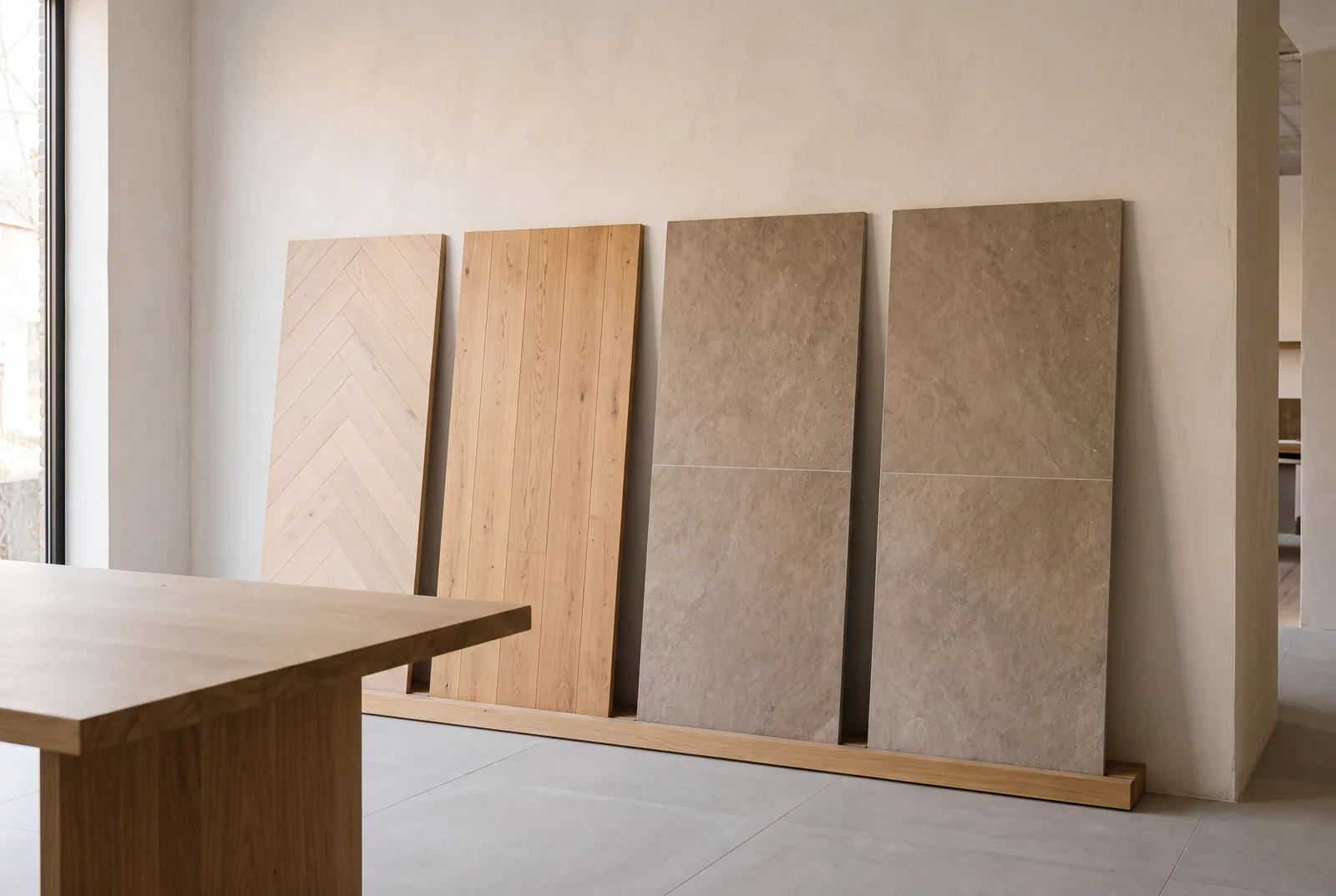
Why choose a PVC floor?
A Choosing a PVC floor is a smart decision if you are looking for a durable, low-maintenance and affordable flooring solution. PVC floors combine the best of both worlds: the authentic look of natural materials such as wood and stone, with the practical benefits of modern vinyl. Whether you opt for a realistic wood-effect PVC floor, bold concrete-effect, or an elegant stone-effect - PVC offers endless possibilities for every interior.
In this comprehensive guide, we walk you through every aspect of choosing a PVC floor. From style choices to technical specifications, and from budget to maintenance - after reading this, you will know exactly which floor suits you best and what to look out for when making your decision.
💡 Expert Tip
When choosing a PVC floor ask which samples are available and how you can view them at home. Look at them under different lighting conditions and place them next to your furniture and walls. What looks great in a showroom can look quite different in your own home.
Step 1: determine the room and intensity of use
The first step in choosing the right PVC floor is deciding where the floor will be laid and how intensively it will be used. This determines the quality and specifications you need.
Usage classes explained
PVC floors are categorised into usage classes according to European standard EN 685. This classification helps you with choosing a PVC floor with the right level of durability:
- •Class 21-23 (Residential): For domestic use. Class 21 for light use (bedroom), 22 for normal use (living room), 23 for intensive use (hallway, kitchen).
- •Class 31-33 (Commercial): For business use. Class 31 for light commercial, 32 for normal commercial, 33 for intensive commercial use.
- •Class 41-43 (Industrial): For very heavy-duty use in industrial environments.
Recommended usage classes per room
Step 2: choose the right wear layer thickness
The wear layer is the transparent top layer that protects your PVC floor against scratches, stains and wear. This is one of the most important factors in choosing a PVC floor. The thicker the wear layer, the longer your floor will last and the better it will withstand intensive use.
Wear layer thicknesses and applications
Budget quality
Suitable for light use in bedrooms or guest rooms. Lifespan 5-8 years.
Standard quality
Ideal for living spaces with normal use. Lifespan 10-15 years.
Premium quality
Perfect for families with children or pets. Lifespan 15-20 years.
Commercial quality
For intensive use in shops, offices or hospitality venues. Lifespan 20-25+ years.
⚠️ Please Note
When choosing a PVC floor the wear layer thickness is often more important than the total thickness. A 5mm floor with a 0.40mm wear layer is more durable than an 8mm floor with a 0.20mm wear layer. So focus on the wear layer, not just the overall thickness.
Step 3: click PVC flooring or glue-down PVC flooring?
A crucial decision when choosing a PVC floor is the installation method. Both systems have their pros and cons, depending on your situation and preferences.
Click PVC flooring

Ideal for: Rental homes, DIY projects, dry rooms
Glue-down PVC flooring

Ideal for: Underfloor heating, bathrooms, permanent solution
Step 4: choose your style and look
Now that the technical aspects are clear, here comes the best part: choosing the style of your PVC floor. Modern PVC floors are available in countless designs that are barely distinguishable from real materials.
Popular PVC flooring styles

Wood-Effect PVC Flooring
The most popular choice. Available in oak, walnut, pine and exotic wood species. From light Scandinavian shades to dark, warm tones. Perfect for a natural, warm look.
- • Realistic wood grain and knots
- • Available in herringbone and wide planks
- • Suitable for all rooms
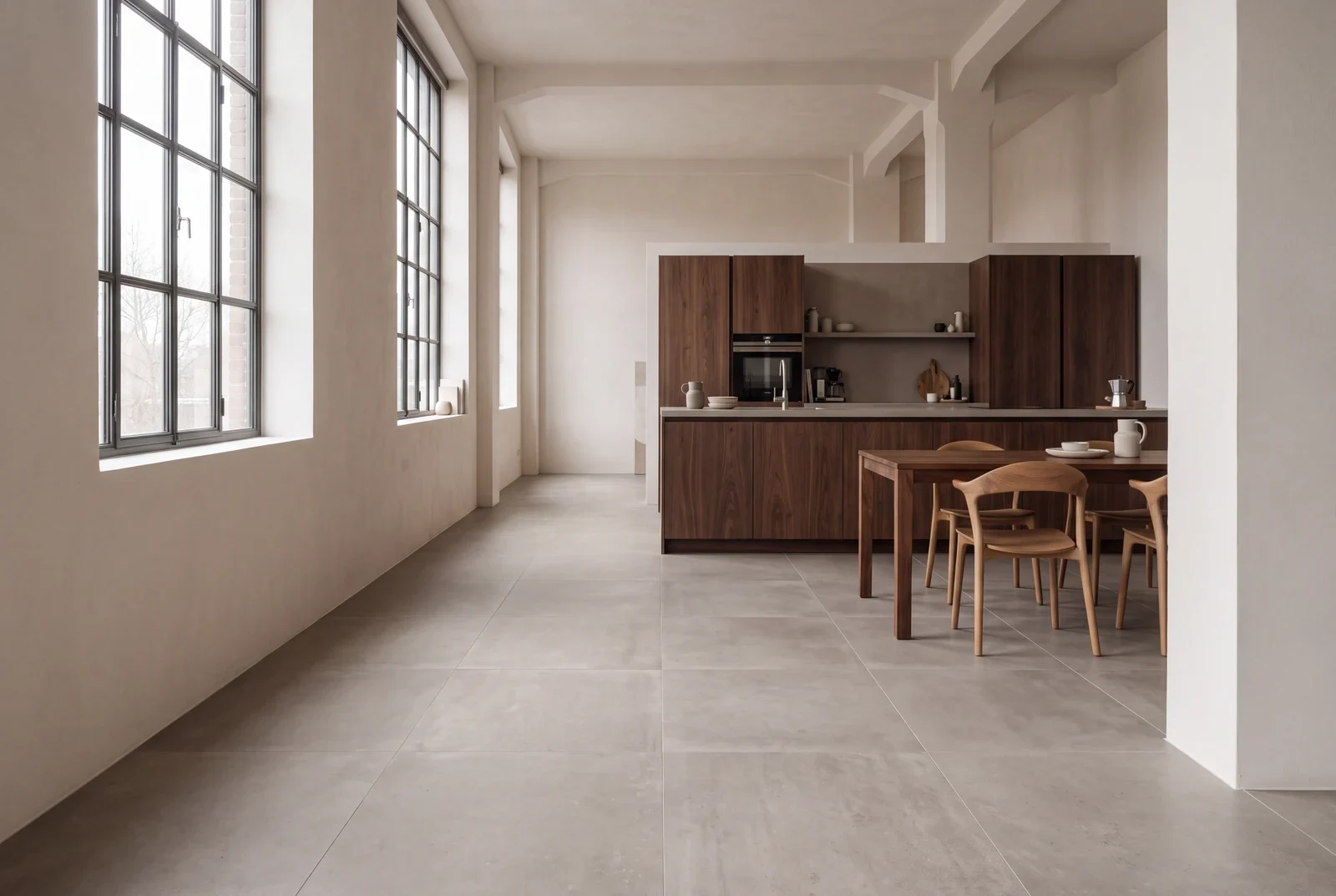
Concrete-Effect PVC Flooring
Bold and industrial. Ideal for modern, minimalist interiors. Available in various shades of grey and with subtle or pronounced concrete textures.
- • Authentic concrete texture
- • From light grey to anthracite
- • Perfect for loft-style homes
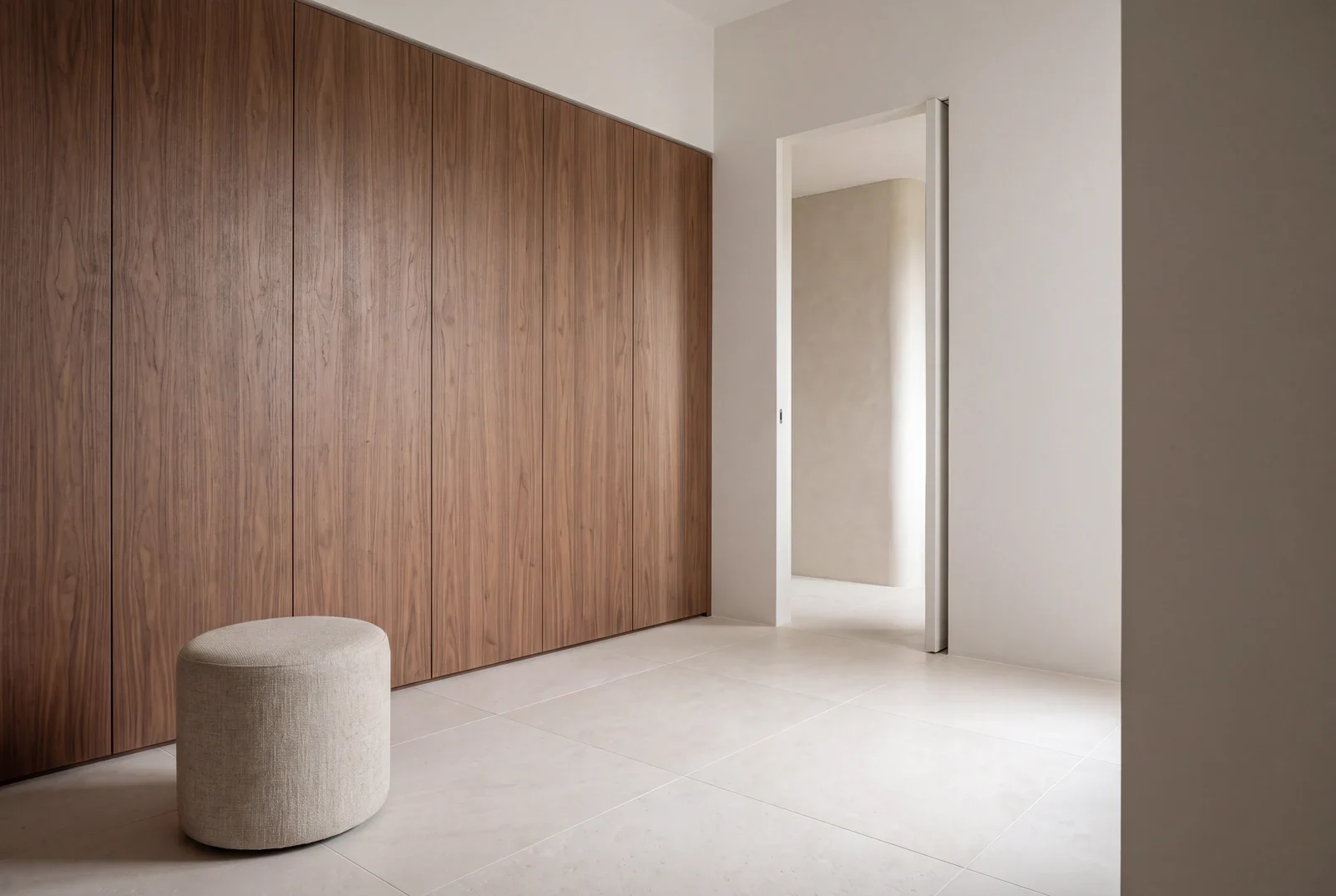
Stone-Effect PVC Flooring
Elegant and timeless. Imitations of marble, travertine, slate and natural stone. Ideal for bathrooms and kitchens thanks to its water-resistant properties.
- • Natural stone textures
- • Water-resistant and low-maintenance
- • Luxurious look without high costs
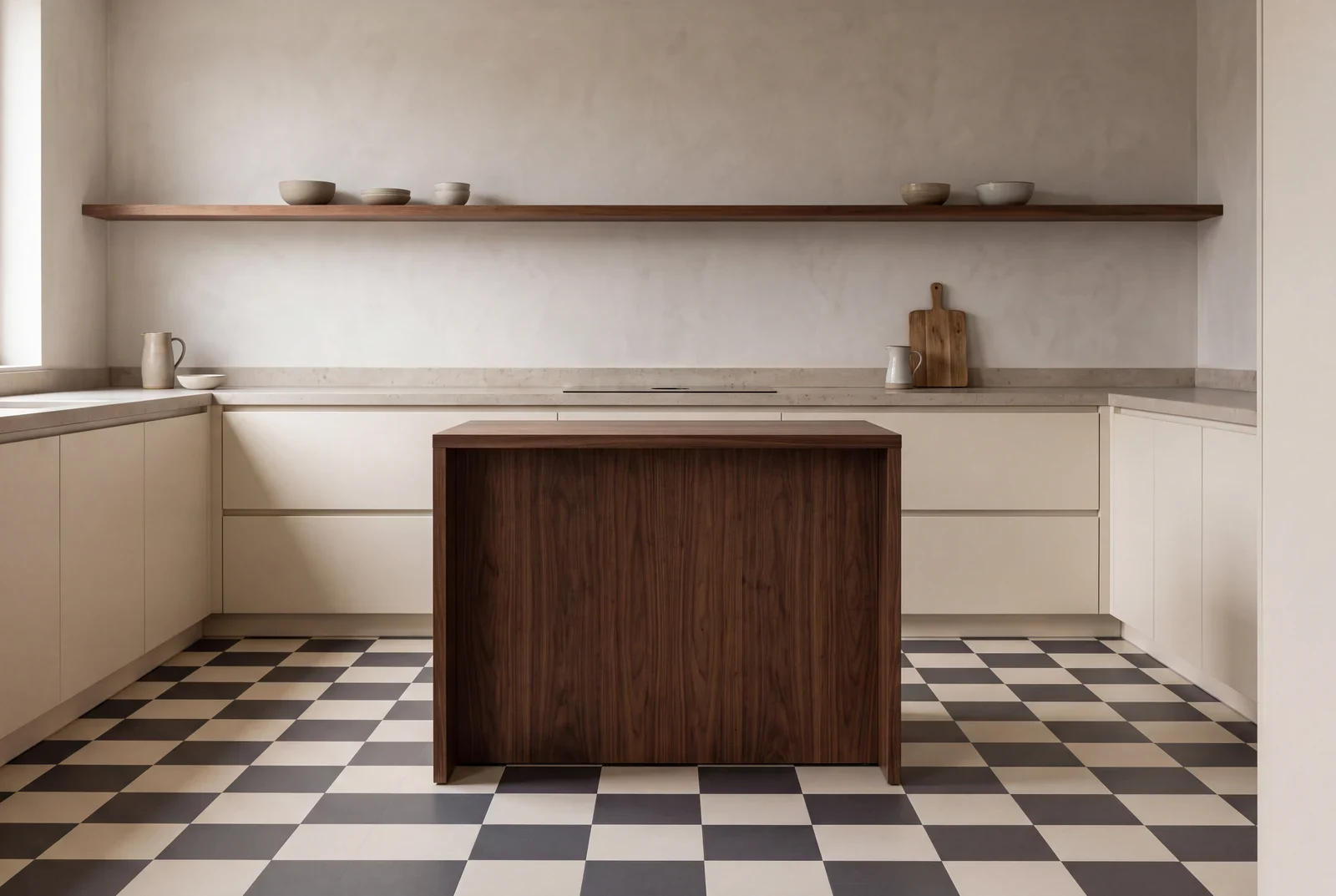
Checkerboard & Patterns
Playful and full of character. From classic black-and-white tiles to modern geometric patterns. Perfect for anyone looking to make a statement.
- • Retro and vintage designs
- • Modern geometric patterns
- • Ideal for kitchens and hallways
Step 5: budget and value for money
When choosing a PVC floor budget naturally plays an important role. It is tempting to go for the cheapest option, but keep in mind that a quality floor is an investment that will last for 15-25 years.
What does it cost with us?
We charge a price per m² for the floor and installation, excluding any preparation, including the floor, skirting boards and installation (and for click PVC flooring, the underlay as well). A thicker wear layer or a pattern such as herringbone makes the floor more expensive.
Levelling or removing an old floor is listed separately on the quote. See the pricing page.
💡 Smart Savings
When choosing a PVC floor you can save money by having multiple rooms fitted at the same time. Many installers offer discounts for larger surface areas. You could also consider preparing the subfloor yourself.
Step 6: underlay and preparation
An often overlooked aspect when choosing a PVC floor is the underlay. A good underlay is essential for comfort, sound reduction and the lifespan of your floor.
Types of underlay
- 1.PE foam underlay: Budget option for click PVC flooring. Offers basic sound reduction and levels out minor irregularities. Price: €2-4 per m².
- 2.XPS underlay: Better quality with higher compressive strength. Suitable for underfloor heating. Price: €4-7 per m².
- 3.Cork underlay: Premium choice offering excellent soundproofing and insulation. Natural and sustainable. Price: €7-12 per m².
- 4.Integrated underlay: Some PVC floors come with a pre-attached underlay. Convenient, though it offers limited choice in specifications.
Step 7: brands and quality guarantees
When choosing a PVC floor the brand is an important indicator of quality. Reputable brands invest in R&D and offer extensive warranties.
Top PVC flooring brands
Checklist: choosing your ideal PVC floor
Use this checklist when choosing your PVC floor to ensure you have considered all key aspects:
Need help choosing?
Our experts are happy to help you with choosing the ideal PVC floor for your situation. Request a free consultation and discuss your requirements for a no-obligation quote.
Frequently asked questions about choosing a PVC floor
How do I choose the right PVC floor for my home?
Start by deciding which room the floor is for (living room, kitchen, bathroom). Next, choose a wear layer of at least 0.30mm for living areas and 0.55mm for heavily used spaces. Pay attention to the usage class (23 for light use, 33 for heavy use) and pick a style that suits your interior. Always ask about available samples to view at home under different lighting conditions.
What is the difference between click PVC flooring and glue-down PVC flooring?
Click PVC flooring has a click system that allows planks to simply lock together without adhesive. This is ideal for DIY and can be reused if you move house. Glue-down PVC flooring is fully bonded to the subfloor, creating a more stable floor that is well suited to underfloor heating and heavy use. Walk-on times and required drying times depend on the instructions for the chosen product, adhesive and any levelling compound.
What wear layer do I need for my PVC floor?
For living spaces with normal use, 0.30mm is sufficient. For heavier use, such as a family home with pets, we look at a 0.55 mm wear layer alongside the product specifications. For commercial spaces or heavy use, choose at least 0.55mm. A thicker wear layer means a longer lifespan and better scratch resistance. The wear layer is more important than the total thickness of the floor.
Can I lay a PVC floor over underfloor heating?
Yes, most PVC floors are suitable for underfloor heating. Preferably choose glue-down PVC flooring for optimal heat transfer. Keep in mind a maximum temperature of 27°C and a thermal resistance (R-value) below 0.15 m²K/W. Always check the manufacturer's specifications and have the floor professionally fitted for the best results. Read more about PVC on underfloor heating.
How much does a good PVC floor cost per m²?
With us, a PVC floor starts from €70 per m², including the floor, skirting boards and fitting (plus underlay for click PVC flooring). Herringbone and chevron cost more due to the extra installation work. The price depends on the wear layer, brand and pattern. Invest in quality for a longer lifespan and better warranty.
How long does a PVC floor last?
A quality PVC floor with a 0.40mm+ wear layer lasts 15-25 years under normal use. Budget floors (0.20mm) last 5-10 years. The lifespan depends on the wear layer thickness, maintenance and intensity of use. Premium brands often offer a 20+ year warranty. With proper care, a top-quality PVC floor can even last up to 30 years.